
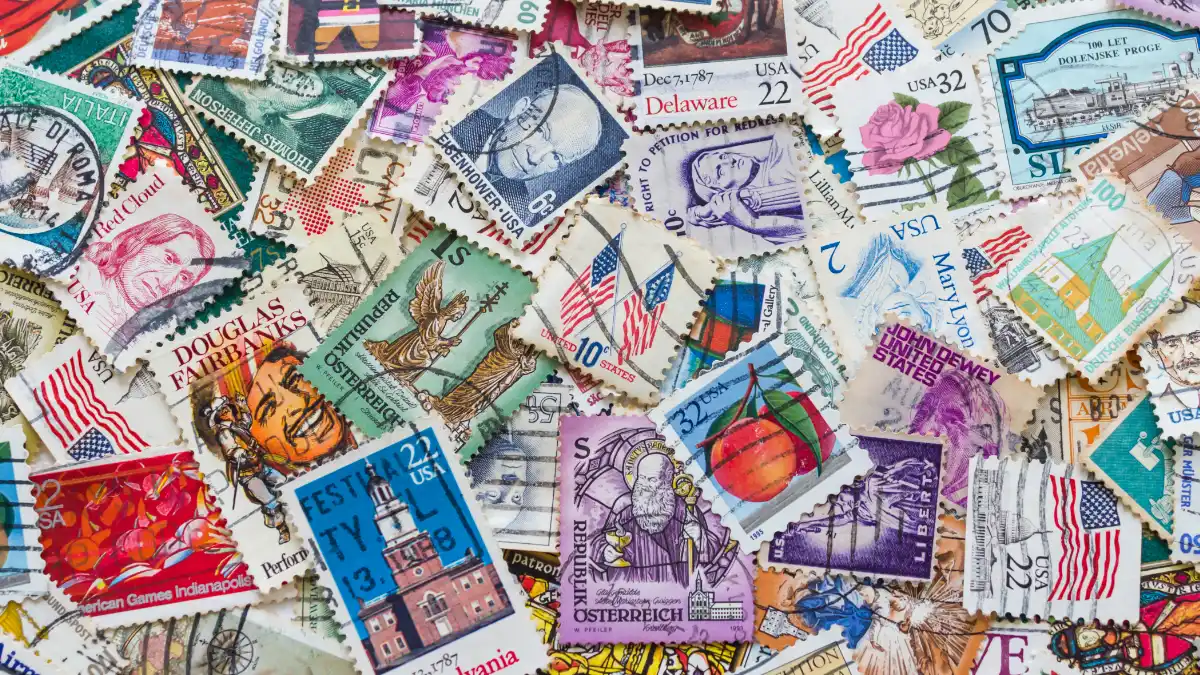
Stamp collecting is one of the most rewarding hobbies in the world. This complete beginner’s guide explains how to start stamp collecting step by step – from choosing the right stamps and essential tools to proper storage, organization, valuation basics, and common mistakes to avoid.
Whether you’re collecting for enjoyment or learning, this guide helps you start small, collect smart, and enjoy philately for a lifetime.
Why Stamp Collecting is the Perfect Beginner Hobby
Stamp collecting – formally known as philately – is more than just a hobby. It is a journey through history, culture, politics, art, and communication. Every postage stamp tells a story: a nation’s identity, a historical moment, a technological breakthrough, or a cultural celebration.
Philately is known as king of Hobbies or Hobby of kings.
If you are searching for how to start stamp collecting, you are not alone. Millions of collectors around the world began with the same curiosity – often sparked by an old envelope, a childhood album, or a fascination with history.
The beauty of stamp collecting lies in its simplicity:
- You can start with very little money
- You don’t need special equipment
- You can collect at your own pace
- You can specialize as deeply as you want
This complete beginner’s guide will take you from absolute zero to confident collector.
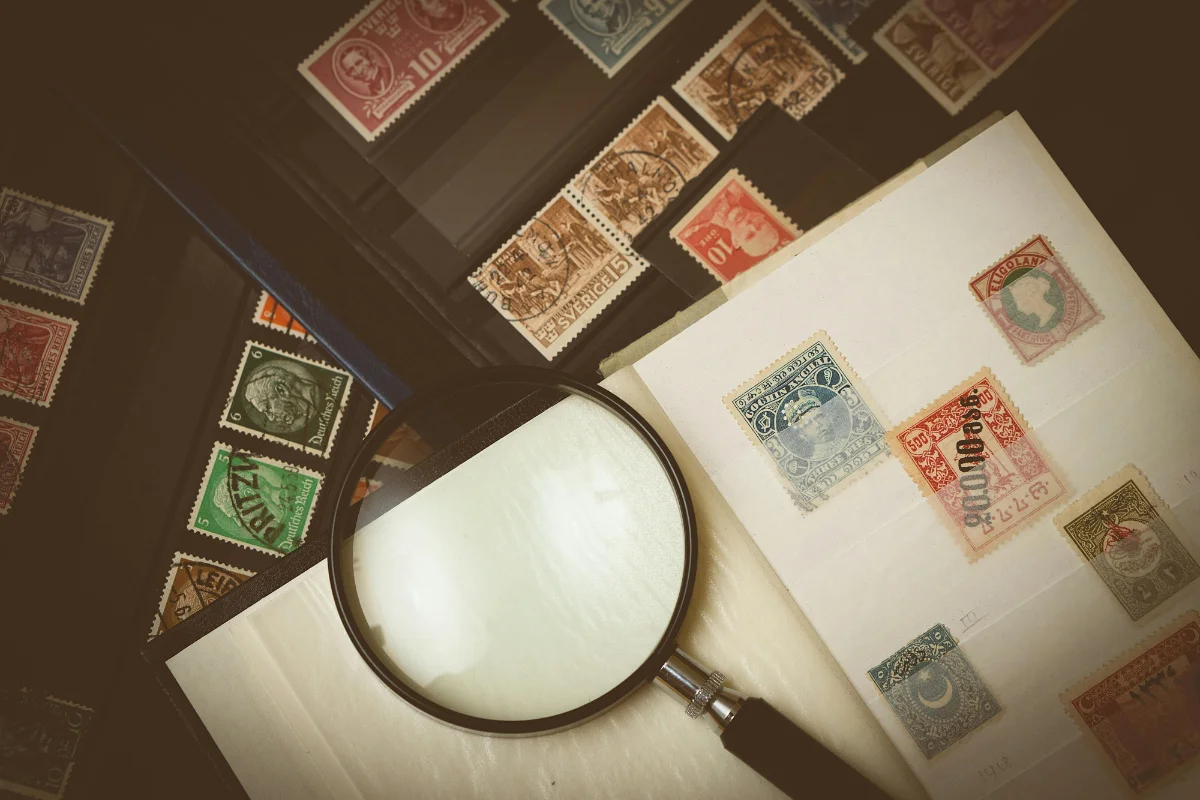
What Is Stamp Collecting (Philately)?
Stamp collecting is the hobby of acquiring, studying, organizing, and preserving postage stamps and related postal materials.
What Do Stamp Collectors Collect?
- Postage stamps (mint or used)
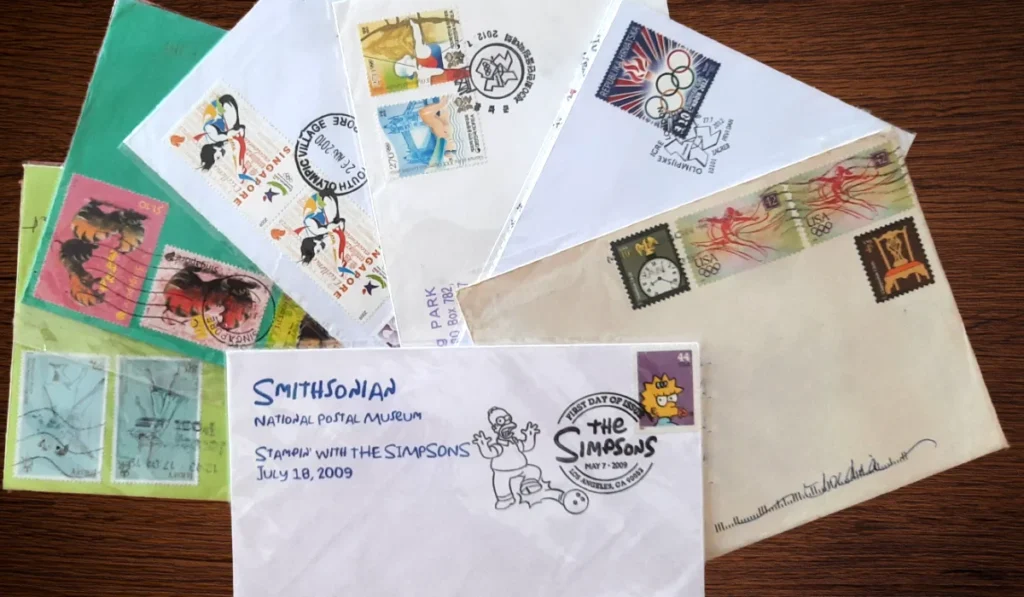
- First Day Covers (FDCs)
- Postal stationery
- Postmarked envelopes (covers)
- Error and variety stamps
Philately also includes the study of stamps, not just accumulation – understanding printing methods, postal history, rates, and designs.
Why Should You Start Stamp Collecting?
Stamp collecting remains popular even in the digital age for several reasons:
– Educational Value: You learn geography, history, famous personalities, wildlife, architecture, and global cultures.
– Affordable Hobby: You can begin with stamps already lying at home or inexpensive starter lots.
– Relaxing & Mindful: Stamp collecting encourages patience, focus, and attention to detail.
– Investment Potential: While not all stamps are valuable, some appreciate significantly over time.
– Lifelong Enjoyment: Stamp collecting grows with you – from casual fun to serious specialization.
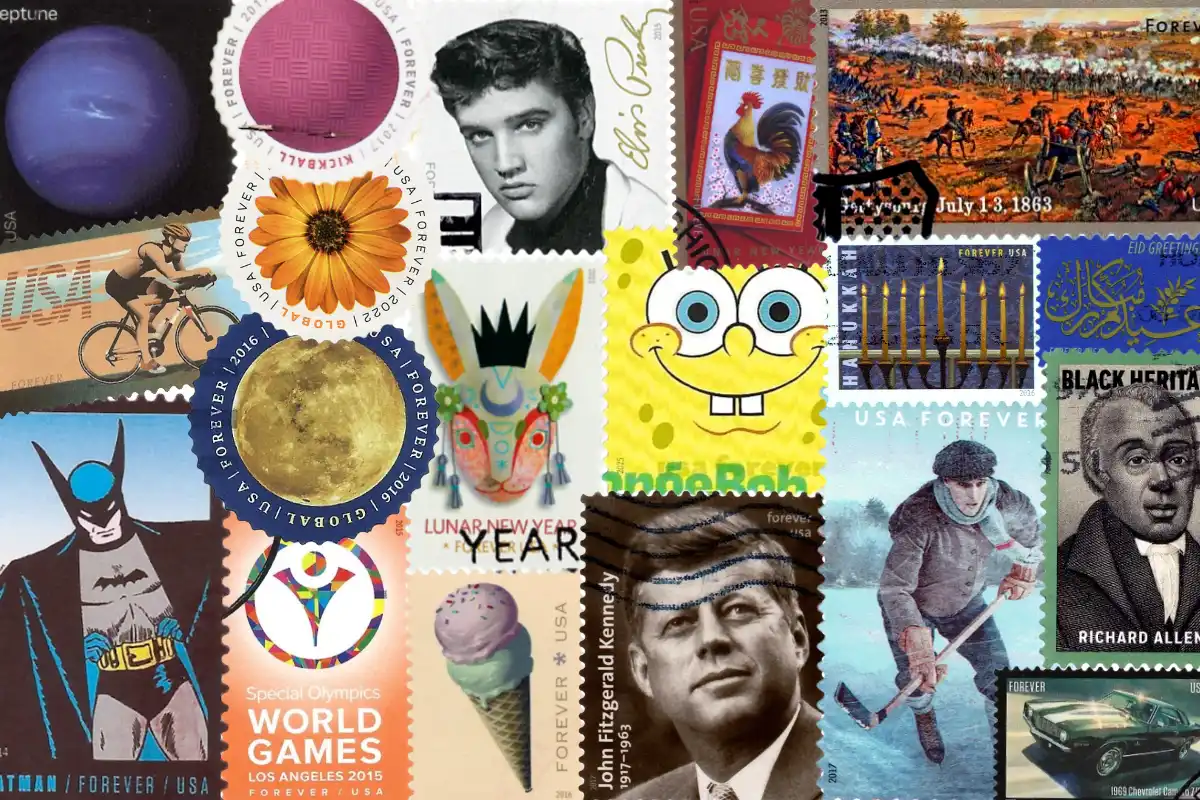
How to collect stamps
Collecting stamps is easy to start and doesn’t require a large investment or special skills. Begin by saving stamps from everyday mail or asking friends and family to keep envelopes for you.
Step 1: Choose Your Stamp Collecting Focus (Most Important Step)
One of the biggest beginner mistakes is trying to collect everything.
Instead, choose a clear collecting focus.
Popular Stamp Collecting Options for Beginners
- Country-Based Collecting
Collect stamps from one country only (e.g., USA, UK, Canada).
- Easy to organize
- Clear scope
- Excellent for beginners
Read also: Guide to US Forever Stamps
- Thematic or Topical Collecting
Collect stamps based on a topic:
- Animals
- Space
- Sports
- Flowers
- Festivals – Lunar New year
- Famous people
- Fun and visually appealing
- Easy to find worldwide
- Time-Period Collecting
- Modern stamps (last 20–30 years)
- Classic stamps (pre-1940)
- Modern stamps are affordable
- Classic stamps require more knowledge
Beginner Recommendation: Start with modern stamps from one country – affordable, accessible, and easy to understand.
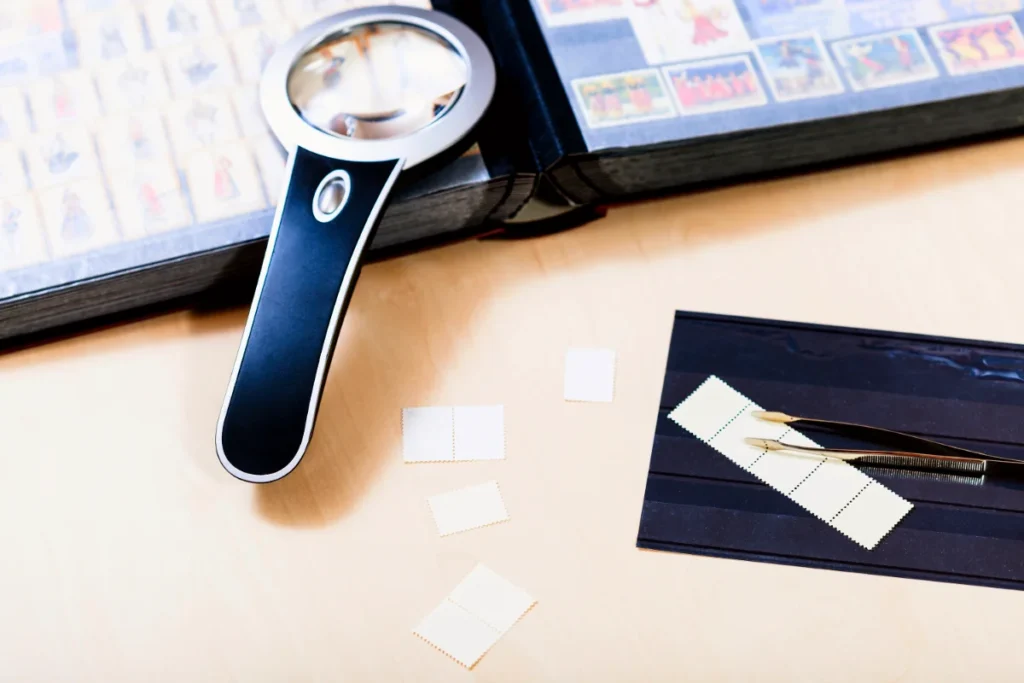
Step 2: Essential Stamp Collecting Tools for Beginners
You don’t need expensive equipment. Just the basics.
- Stamp Album
Choose a good-quality, acid-free album.
- Prevents damage
- Makes collection presentable
- Stamp Tongs
Stamp tongs are like tweezers designed for stamps.
- Prevent fingerprints
- Avoid bending or tearing
- Magnifying Glass
Helps examine:
- Perforations
- Printing details
- Watermarks
- Stock Book
Useful for:
- Duplicates
- Temporary storage
- Trading stock
- Stamp Catalog
A stamp catalog helps with:
- Identification
- Dates of issue
- Estimated values
Step 3: Where to Get Stamps as a Beginner
Many beginners think stamps are hard to find. They’re not.
Best Sources for Beginners
- Mail & Envelopes – Ask friends and family to save envelopes.
- Free
- Great for used stamps
- Post Office – Buy new stamp issues directly.
- Mint condition
- Especially good for Forever stamps
Check also: Forever Stamp Issues 2025
- Stamp Dealers – Local or online dealers offer beginner lots.
- Reliable
- Properly sorted
- Stamp Clubs & Exchanges – Trade duplicates with other collectors.
- Cost-effective
- Learn from experienced collectors
Step 4: How to Remove Stamps from Envelopes (Safely)
Used stamps should be removed properly.
Soaking Method
- Cut around the stamp
- Soak in lukewarm water
- Let stamp separate naturally
- Dry between blotting paper
- Never pull stamps forcefully
- Never use hot water
Step 5: Proper Stamp Handling and Storage
Stamp condition determines both beauty and value.
Handling Rules
- Always use tongs
- Touch only the edges
- Keep hands clean and dry
Storage Tips
- Use acid-free albums
- Store away from sunlight
- Avoid humidity
- Keep albums upright
Read also: How to Store Stamps Properly
Step 6: Understanding Basic Stamp Terminology
Every beginner should know these terms:
Essential Stamp Terms
- Mint stamp: Unused, original gum
- Used stamp: Postmarked
- Perforation: Holes around stamp
- Cancellation: Ink mark from postal use
- Definitive stamp: Regular-use stamp
- Commemorative stamp: Issued for events
Read also: Stamp Collecting Terms Explained
Step 7: Organizing Your Stamp Collection
Good organization separates casual collectors from serious ones.
Common Organization Methods
- By country
- By year
- By theme
- By stamp type
Label pages clearly and leave space for future additions.
Step 8: Understanding Stamp Values (Without Stress)
Most beginner stamps are not rare – and that’s perfectly fine.
What Determines Stamp Value?
- Rarity
- Condition
- Age
- Demand
- Errors or varieties
Read also: How Much Are My Stamps Worth?
Beginner Advice: Collect for enjoyment first, value later.
Step 9: Common Stamp Collecting Mistakes Beginners Must Avoid
- Buying expensive stamps too early
- Using tape or glue
- Poor storage
- Collecting without focus
- Ignoring condition
- Learn slowly
- Ask questions
- Upgrade gradually
Step 10: Join the Stamp Collecting Community
Stamp collecting is more enjoyable when shared.
Ways to Connect
- Local stamp clubs
- Postal Museum
- Online forums
- Exhibitions and shows
- Philatelic magazines
Read also: How to Join a Stamp Collecting Club
Step 11: Growing Your Stamp Collection Over Time
As you gain experience:
- Specialize further
- Replace low-quality stamps
- Add postal history
- Explore errors and varieties
Stamp collecting rewards patience and knowledge.
Is Stamp Collecting Still Worth It in 2025 and Beyond?
Yes — more than ever.
As digital communication replaces letters, physical stamps are becoming:
- Scarcer
- More collectible
- Historically significant
Frequently Asked Questions (FAQ)
Q1. Is stamp collecting expensive?
No. You can start for free and spend gradually.
Q2. Are used stamps worth collecting?
Absolutely. Many collectors prefer used stamps.
Q3. Do stamps increase in value?
Some do – especially rare and well-preserved stamps.
Q4. What is the best stamp to collect for beginners?
Modern commemoratives and Forever stamps.