
The USPS Lunar New Year stamp program is one of America’s most beloved long-running thematic issues – blending zodiac symbolism, Asian cultural heritage, and beautiful design.
It began with a single stamp in 1992, grew into full multi-year series, and continues today with modern Forever stamps that many collectors (and everyday mailers) look forward to each winter.
This guide explains what the lunar year is, how the zodiac cycle works, and includes a complete USPS Lunar New Year stamp checklist from the first issue through the latest releases.
What is a “Lunar New Year”?
Lunar New Year, often called Spring Festival in China, and celebrated as Seollal in Korea and Tết in Vietnam, is a fifteen-day celebration marked by many traditions. It is a holiday built around renewal – welcoming a new year with family gatherings, food, decorations, and rituals meant to invite luck, health, and prosperity.
A lunar year is tied to the Moon’s cycles, not the January – December solar calendar. In much of East and Southeast Asia, the traditional calendar used for Lunar New Year is lunisolar (it tracks months by the moon, while also keeping the year aligned with the seasons).
The New Year begins on a new moon, which is why the date changes each year, but usually fall in January of February.
It is one of the most important holidays in Chinese culture and was placed on the UNESCO Intangible Cultural Heritage of Humanity list in 2024.
That “moving date” is exactly why Lunar New Year is so recognizable on stamps: each design marks a specific zodiac animal and the traditions of the season.
Zodiac Animals and Lunar Year
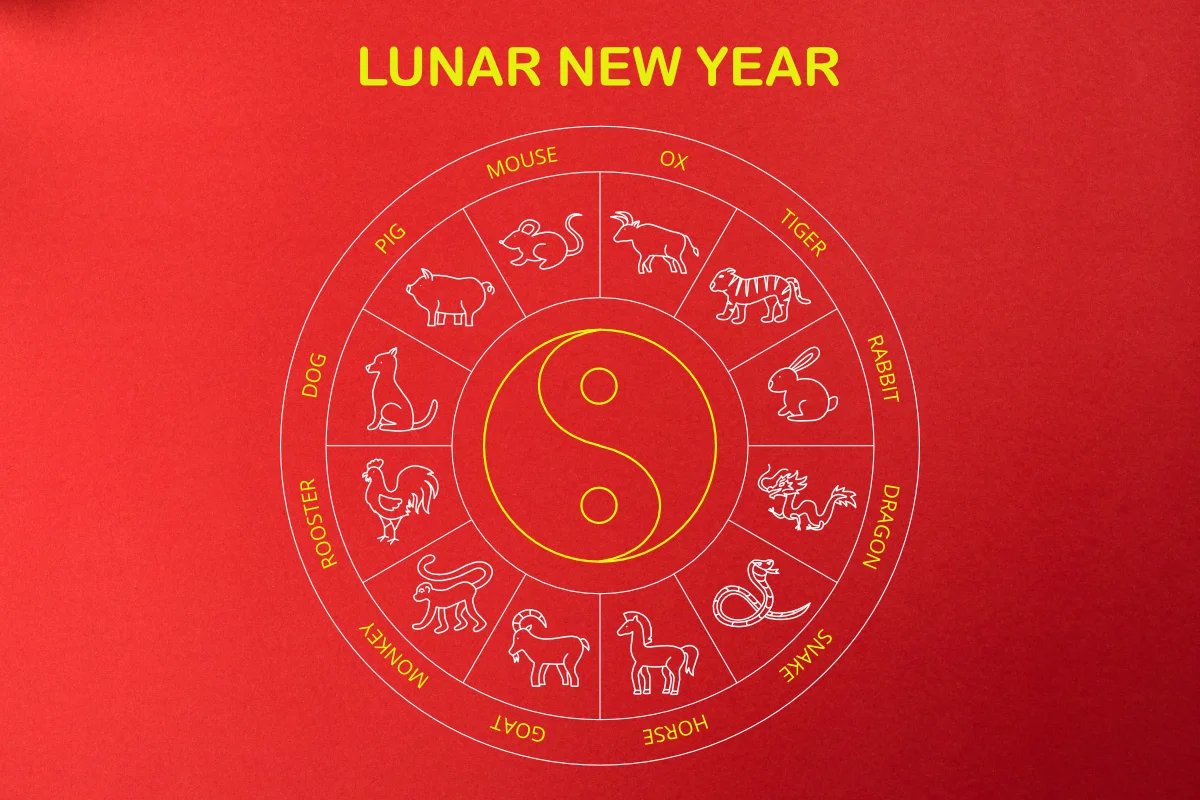
The widely known 12-year zodiac animal cycle begins with the Rat, followed by Ox, Tiger, Rabbit, Dragon, Snake, Horse, Ram/Goat/Sheep, Monkey, Rooster, Dog, and Boar/Pig. This order is commonly explained by a folktale “race” that determines the animals’ sequence.
Cultural significance of Lunar New Year
Across cultures, Lunar New Year is about:
- Family reunion (traveling home, honoring elders, sharing meals)
- Fresh starts (cleaning, settling debts, replacing old decorations)
- Good fortune symbolism (red color, lucky foods, auspicious phrases)
- Public celebration (parades, lion/dragon dances, fireworks in many places)
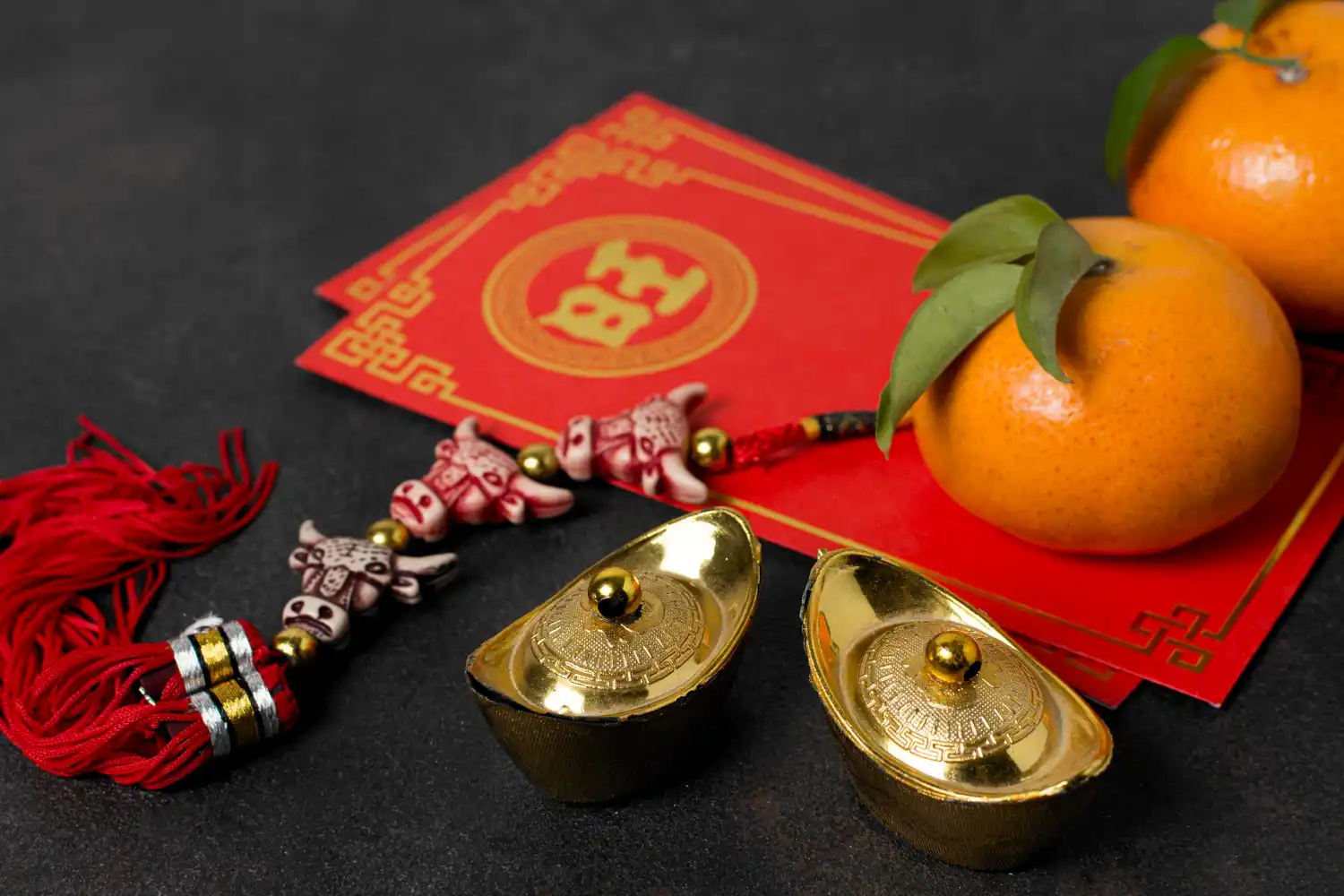
Common symbols include red envelopes (hongbao), the character fu (good fortune), lucky plants like bamboo, and festival foods.
Learn More about Lunar New Year Traditions from Smithsonian National Museum

How Lunar New Year is celebrated in the USA
In the United States, celebrations are especially visible in cities with large Asian-American communities – think neighborhood festivals, Chinatown events, museum programming, community banquets, and parades featuring lion/dragon dances.
The San Francisco Chinese New Year Festival and Parade is the oldest and one of the largest events of its kind outside of Asia, and one of the largest Asian cultural events in North America. – Wikipedia
USPS has even dedicated Lunar New Year stamps during public ceremonies connected to these community celebrations.
USPS Lunar New Year stamp series
First introduced in 1992, these stamps honor the Lunar New Year – a major festival celebrated by millions of people of Asian heritage in the United States and around the world.
Each stamp reflects one animal of the 12-year lunar zodiac cycle, symbolizing renewal, hope, prosperity, and good fortune.
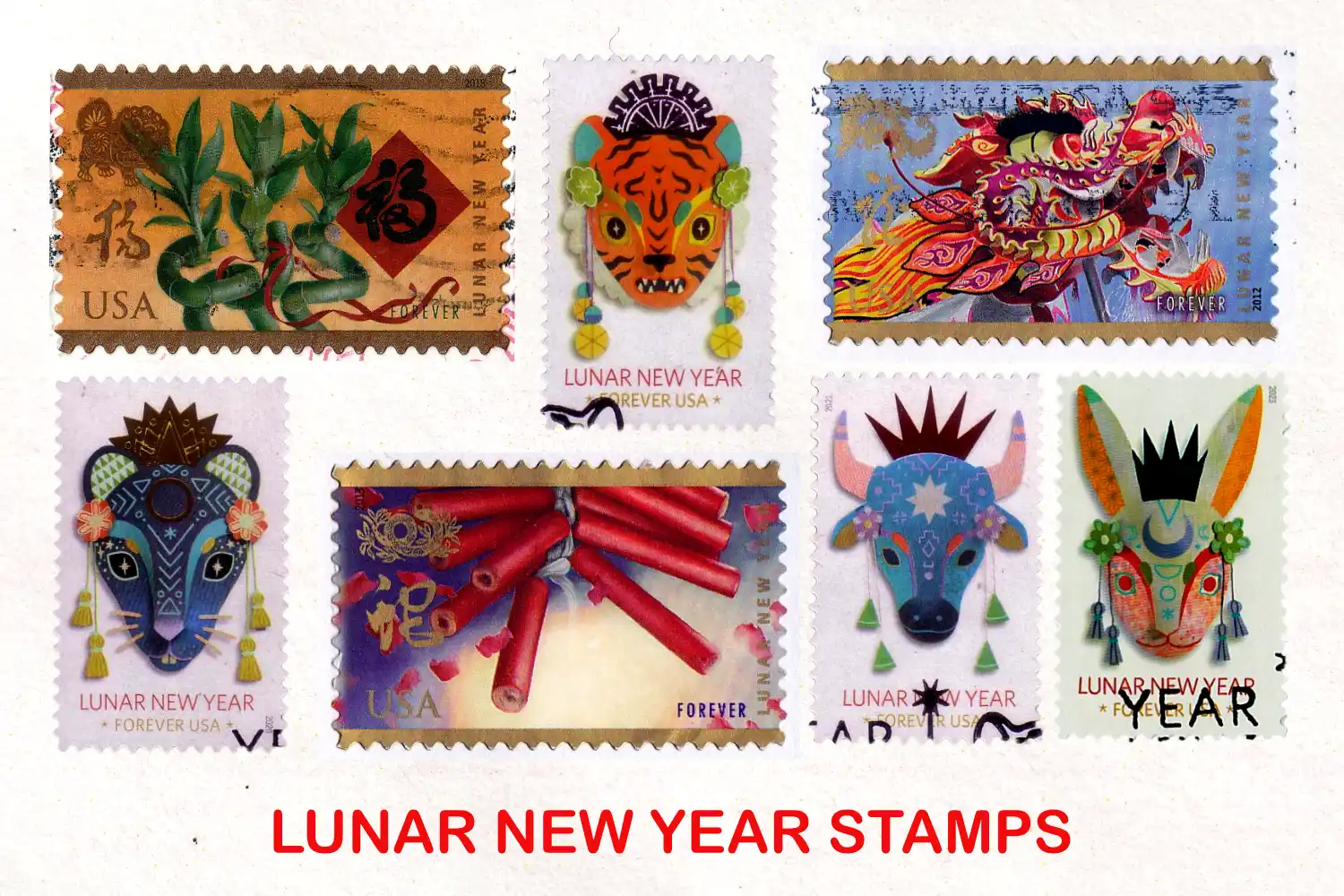
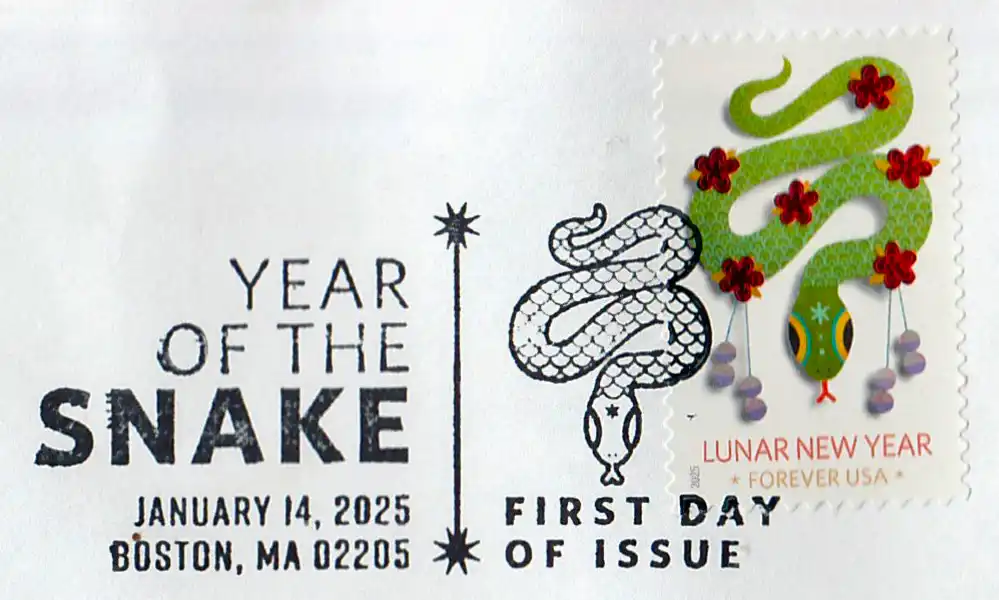
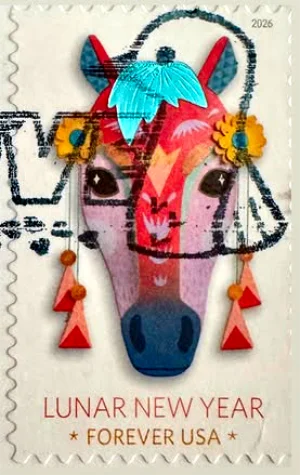
Over the decades, the series has evolved in design and artistic style, moving from traditional zodiac animal illustrations to stamps highlighting festive objects and, more recently, vibrant mask designs inspired by Lunar New Year parades and lion dances.
Today, issued as Forever® stamps, USPS Lunar New Year stamps are not only valid for everyday mailing but are also highly sought after by collectors for their beauty, cultural depth, and continuity. Together, they form a remarkable visual record of how the USPS celebrates diversity, heritage, and global traditions through philately.
Series 3 (2020–present): Modern mask designs (lion/dragon dance inspiration)
- New twelve-year stamp series based on a traditional calendar
- Began again with Year of the Rat (2020), but with a fresh visual direction
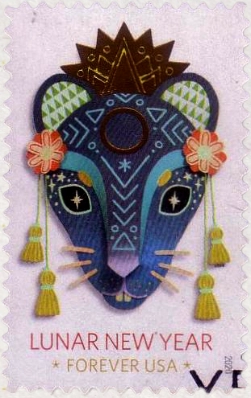
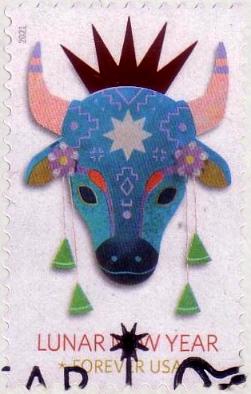
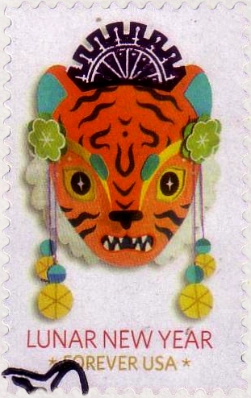
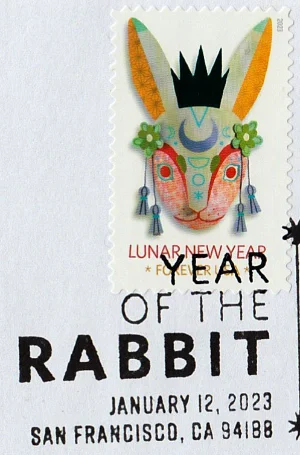
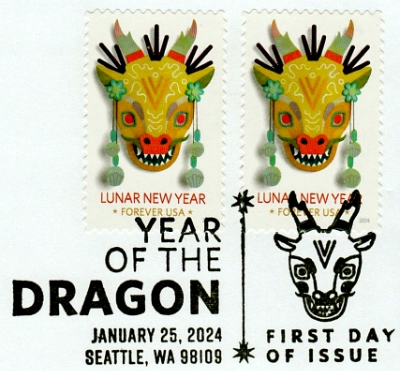
- Features bold, contemporary 3D mask artwork inspired by the ornate masks seen in Lunar New Year parades and dances
- Continues through 2031 to complete another 12-year cycle
Year of the Rat (2020)
Year of the Ox (2021)
Year of the Tiger (2022)
Year of the Rabbit (2023)
Year of the Dragon (2024)
Year of the Snake (2025)
Year of the Horse (2026)
Series 2 (2008–2019): “Celebrating Lunar New Year” traditions (objects + zodiac)
Year of the Rat (2008)
Year of the Ox (2009)
Year of the Tiger (2010)
Year of the Rabbit (2011)
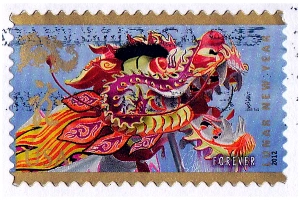
Year of the Dragon (2012)
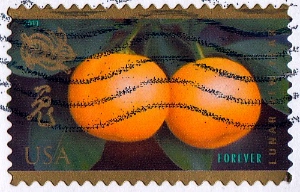
Year of the Snake (2013)
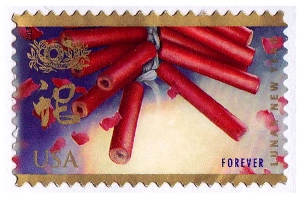
Year of the Horse (2014)
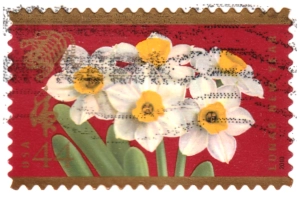
Year of the Ram (2015)
Year of the Monkey (2016)
Year of the Rooster (2017)
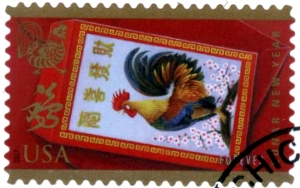
Year of the Dog (2018)
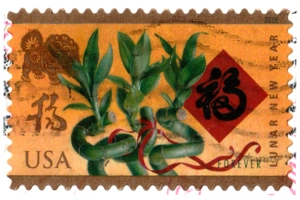
Year of the Boar (2019)
- Restarted with Year of the Rat (2008)
- Combines traditional holiday elements (lanterns, flowers, drums, trays of sweets, etc.) with zodiac references
- Completed a full 12-year cycle ending with Year of the Boar (2019)
Series 1 (1992–2004): Classic zodiac animals (paper-cut look)
- Launched with the 1992 Rooster stamp
- Focused on the 12 zodiac animals in a traditional style (often described as paper-cut inspired)
- Highly collectible because it’s the “original run” that established the program’s popularity
Why collectors love the Lunar New Year Stamps
1) They form a clean “set-building” hobby
Because each major USPS era aims at a 12-year zodiac cycle, Lunar New Year stamps are perfect for:
- album pages
- yearly new-issue collecting
- thematic exhibits (animals, holidays, Asian-American heritage, cultural symbolism)
2) They’re culturally meaningful – and visually rich
The program has evolved from more traditional zodiac imagery to broader holiday traditions, and now to modern parade-mask art – while still staying recognizable year after year.
3) They’re practical for everyday mailing
As Forever stamps, modern Lunar New Year issues remain valid for the current First-Class Mail 1-oz rate, which makes them enjoyable to use – not just store.
Quick FAQs
Q. Is Lunar New Year the same as Chinese New Year?
A. Chinese New Year is the most widely known form of Lunar New Year, but the holiday is celebrated across many cultures (including Korean and Vietnamese communities) with distinct traditions.
Q. How many USPS Lunar New Year stamp series have there been?
A. Three main design eras: 1992–2004, 2008–2019, and 2020–present.
Q. What animal starts the zodiac cycle?
A. The Rat is the first animal in the 12-year zodiac cycle.
Q. How many animals are there in the zodiac cycle?
A. Zodiac cycle consists of 12 animals.
Q. What is the sequence on animals in the zodiac cycle?
A. The sequence of Zodiac cycle is Rat, Ox, Tiger, Rabbit, Dragon, Snake, Horse, Goat, Monkey, Rooster, Dog, and Pig.
The USPS Lunar New Year stamp series stands as a remarkable blend of art, culture, and tradition, reflecting the rich heritage of Lunar New Year celebrations and their growing recognition in the United States.
From the first 1992 Year of the Rooster stamp to today’s vibrant Forever issues, the series beautifully captures the spirit of renewal, hope, and good fortune associated with the lunar calendar.
Across its different design eras – traditional zodiac animals, symbolic festive objects, and modern parade-inspired masks – the series tells a visual story of continuity and change.
For collectors, these stamps offer a rewarding long-term theme built around the 12-year zodiac cycle; for everyday users, they provide meaningful, culturally significant postage that remains valid regardless of future rate changes.